
About Alice
━ Who is alice?
Understanding at the heart of my work
For more than 30 years, my work in education has centred on one question: What helps us understand learning more clearly?
That question has taken me from the classroom and school leadership into mathematics education, teacher development, research and specialist work in dyslexia and dyscalculia.
Today, I bring those different strands together through Alice Earnshaw Dyslexia & Dyscalculia Services (AEDDS) Ltd.
My aim is always the same: to help children, families and professionals make better sense of what they are seeing, so that the next steps feel clearer and more purposeful.
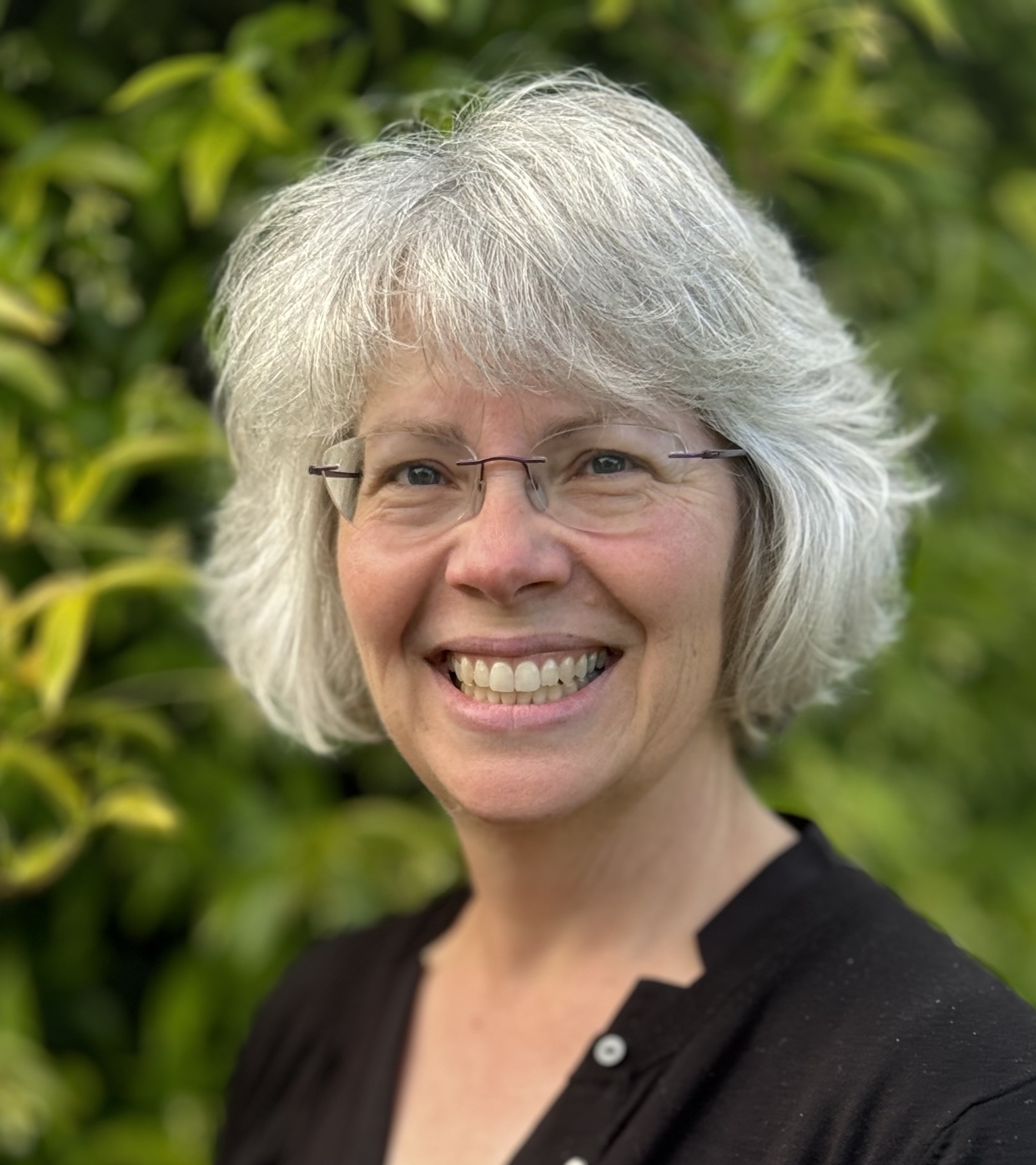
━ Who is alice?
Understanding at the heart of my work
For more than 30 years, my work in education has centred on one question: What helps us understand learning more clearly?
That question has taken me from the classroom and school leadership into mathematics education, teacher development, research and specialist work in dyslexia and dyscalculia.
Today, I bring those different strands together through Alice Earnshaw Dyslexia & Dyscalculia Services (AEDDS) Ltd.
My aim is always the same: to help children, families and professionals make better sense of what they are seeing, so that the next steps feel clearer and more purposeful.
━ Who is alice?
Understanding at the heart of my work
For more than 30 years, my work in education has centred on one question: What helps us understand learning more clearly?
That question has taken me from the classroom and school leadership into mathematics education, teacher development, research and specialist work in dyslexia and dyscalculia.
Today, I bring those different strands together through Alice Earnshaw Dyslexia & Dyscalculia Services (AEDDS) Ltd.
My aim is always the same: to help children, families and professionals make better sense of what they are seeing, so that the next steps feel clearer and more purposeful.
━ A career shaped by education
From classroom practice to specialist work
I began my career as a teacher in New Zealand before moving to London and then into primary mathematics teacher education in Cumbria, eventually leading what was, at the time, the largest primary PGCE programme in England. During those years I wrote books for teachers, completed a Master's degree in Educational Research at Lancaster University and gained my PhD in Mathematics Education at Warwick University.
From there, I moved into education consultancy. My work took me across England and internationally, supporting mathematics professional development and contributing to curriculum development with Ministries and Departments of Education in countries including North Macedonia, Mongolia and Egypt.
Eventually, though, I realised that I had become too far removed from the reason I went into education in the first place. I missed working directly with children, so I returned to school and later moved into school leadership.
I later returned to mathematics consultancy. That change also led me towards the work that has become my passion: helping parents and schools understand learning differences more deeply, and helping children and young people to be better understood within the education systems around them.
Over the years, I have worked with teachers, schools and education organisations in many different ways: supporting classroom practice, developing professional learning, contributing to teacher education, researching, writing, speaking and working on mathematics education projects in the UK and internationally.
That breadth of experience continues to shape the way I work now. I think about the child, the learning, the classroom, the family and the wider educational context together.
That, for me, is what understanding the whole picture means.
━ A career shaped by education
From classroom practice to specialist work
I began my career as a teacher in New Zealand before moving to London and then into primary mathematics teacher education in Cumbria, eventually leading what was, at the time, the largest primary PGCE programme in England. During those years I wrote books for teachers, completed a Master's degree in Educational Research at Lancaster University and gained my PhD in Mathematics Education at Warwick University.
From there, I moved into education consultancy. My work took me across England and internationally, supporting mathematics professional development and contributing to curriculum development with Ministries and Departments of Education in countries including North Macedonia, Mongolia and Egypt.
Eventually, though, I realised that I had become too far removed from the reason I went into education in the first place. I missed working directly with children, so I returned to school and later moved into school leadership.
I later returned to mathematics consultancy. That change also led me towards the work that has become my passion: helping parents and schools understand learning differences more deeply, and helping children and young people to be better understood within the education systems around them.
Over the years, I have worked with teachers, schools and education organisations in many different ways: supporting classroom practice, developing professional learning, contributing to teacher education, researching, writing, speaking and working on mathematics education projects in the UK and internationally.
That breadth of experience continues to shape the way I work now. I think about the child, the learning, the classroom, the family and the wider educational context together.
That, for me, is what understanding the whole picture means.
━ A career shaped by education
From classroom practice to specialist work
I began my career as a teacher in New Zealand before moving to London and then into primary mathematics teacher education in Cumbria, eventually leading what was, at the time, the largest primary PGCE programme in England. During those years I wrote books for teachers, completed a Master's degree in Educational Research at Lancaster University and gained my PhD in Mathematics Education at Warwick University.
From there, I moved into education consultancy. My work took me across England and internationally, supporting mathematics professional development and contributing to curriculum development with Ministries and Departments of Education in countries including North Macedonia, Mongolia and Egypt.
Eventually, though, I realised that I had become too far removed from the reason I went into education in the first place. I missed working directly with children, so I returned to school and later moved into school leadership.
I later returned to mathematics consultancy. That change also led me towards the work that has become my passion: helping parents and schools understand learning differences more deeply, and helping children and young people to be better understood within the education systems around them.
Over the years, I have worked with teachers, schools and education organisations in many different ways: supporting classroom practice, developing professional learning, contributing to teacher education, researching, writing, speaking and working on mathematics education projects in the UK and internationally.
That breadth of experience continues to shape the way I work now. I think about the child, the learning, the classroom, the family and the wider educational context together.
That, for me, is what understanding the whole picture means.
━ Why Dyslexia and Dyscalculia?
Looking beneath the difficulty
My specialist work in dyslexia and dyscalculia grew from a long-standing interest in why some children continue to find learning difficult even when they are working hard and receiving support – an interest shaped by both my professional and personal experience.
In mathematics, understanding why learning can remain difficult despite effort and teaching has been central to much of my professional life.
A child may appear to know something one day and lose it the next. They may be able to follow a method but not understand why it works. They may rely heavily on counting, find number facts difficult to retain or become increasingly anxious about maths.
In literacy, persistent difficulties may affect reading, spelling, writing, memory and the effort involved in everyday learning.
The visible difficulty is only part of the picture.
My role is to look more closely at what may be contributing, explain it clearly and help families and professionals understand what it means in practice.
━ Why Dyslexia and Dyscalculia?
Looking beneath the difficulty
My specialist work in dyslexia and dyscalculia grew from a long-standing interest in why some children continue to find learning difficult even when they are working hard and receiving support – an interest shaped by both my professional and personal experience.
In mathematics, understanding why learning can remain difficult despite effort and teaching has been central to much of my professional life.
A child may appear to know something one day and lose it the next. They may be able to follow a method but not understand why it works. They may rely heavily on counting, find number facts difficult to retain or become increasingly anxious about maths.
In literacy, persistent difficulties may affect reading, spelling, writing, memory and the effort involved in everyday learning.
The visible difficulty is only part of the picture.
My role is to look more closely at what may be contributing, explain it clearly and help families and professionals understand what it means in practice.
━ Why Dyslexia and Dyscalculia?
Looking beneath the difficulty
My specialist work in dyslexia and dyscalculia grew from a long-standing interest in why some children continue to find learning difficult even when they are working hard and receiving support – an interest shaped by both my professional and personal experience.
In mathematics, understanding why learning can remain difficult despite effort and teaching has been central to much of my professional life.
A child may appear to know something one day and lose it the next. They may be able to follow a method but not understand why it works. They may rely heavily on counting, find number facts difficult to retain or become increasingly anxious about maths.
In literacy, persistent difficulties may affect reading, spelling, writing, memory and the effort involved in everyday learning.
The visible difficulty is only part of the picture.
My role is to look more closely at what may be contributing, explain it clearly and help families and professionals understand what it means in practice.
━ Bringing different perspectives together
More than one way of looking at learning
My work draws on several parts of my professional experience.
As a former teacher and school leader, I understand the realities of classrooms and the demands placed on children and staff.
My work in mathematics education has given me a deep interest in how mathematical understanding develops, where learning can break down and why some approaches help one child but not another.
As a teacher educator and professional development leader, I have spent many years helping teachers make sense of complex ideas and connect them with classroom practice.
My research background means that I value evidence, careful interpretation and avoiding simple explanations for complicated difficulties.
And through specialist assessment, I work directly with children, young people, adults and families to understand individual patterns of strength and difficulty.
Bringing these perspectives together helps me avoid looking at a child only through the lens of a diagnosis, a test score or a single area of difficulty. I look at everything through the lens of what will work in practise for everyone involved.
━ Bringing different perspectives together
More than one way of looking at learning
My work draws on several parts of my professional experience.
As a former teacher and school leader, I understand the realities of classrooms and the demands placed on children and staff.
My work in mathematics education has given me a deep interest in how mathematical understanding develops, where learning can break down and why some approaches help one child but not another.
As a teacher educator and professional development leader, I have spent many years helping teachers make sense of complex ideas and connect them with classroom practice.
My research background means that I value evidence, careful interpretation and avoiding simple explanations for complicated difficulties.
And through specialist assessment, I work directly with children, young people, adults and families to understand individual patterns of strength and difficulty.
Bringing these perspectives together helps me avoid looking at a child only through the lens of a diagnosis, a test score or a single area of difficulty. I look at everything through the lens of what will work in practise for everyone involved.
━ Bringing different perspectives together
More than one way of looking at learning
My work draws on several parts of my professional experience.
As a former teacher and school leader, I understand the realities of classrooms and the demands placed on children and staff.
My work in mathematics education has given me a deep interest in how mathematical understanding develops, where learning can break down and why some approaches help one child but not another.
As a teacher educator and professional development leader, I have spent many years helping teachers make sense of complex ideas and connect them with classroom practice.
My research background means that I value evidence, careful interpretation and avoiding simple explanations for complicated difficulties.
And through specialist assessment, I work directly with children, young people, adults and families to understand individual patterns of strength and difficulty.
Bringing these perspectives together helps me avoid looking at a child only through the lens of a diagnosis, a test score or a single area of difficulty. I look at everything through the lens of what will work in practise for everyone involved.
━ How I work
Understanding comes first
I do not believe that good support begins with a list of strategies. It begins with understanding.
That means taking time to listen, looking carefully at the information available and explaining what it may mean in language that is clear and useful.
Whether I am working with a parent, assessing a child or adult or supporting professionals in education, I want people to leave with a stronger understanding of the situation and greater confidence in the decisions they make next.
Sometimes that means identifying dyslexia, dyscalculia or SpLD in maths.
Sometimes it means recognising a different pattern of strengths and difficulties.
Sometimes the most important outcome is simply that something which has felt confusing for a long time begins to make more sense.
━ How I work
Understanding comes first
I do not believe that good support begins with a list of strategies. It begins with understanding.
That means taking time to listen, looking carefully at the information available and explaining what it may mean in language that is clear and useful.
Whether I am working with a parent, assessing a child or adult or supporting professionals in education, I want people to leave with a stronger understanding of the situation and greater confidence in the decisions they make next.
Sometimes that means identifying dyslexia, dyscalculia or SpLD in maths.
Sometimes it means recognising a different pattern of strengths and difficulties.
Sometimes the most important outcome is simply that something which has felt confusing for a long time begins to make more sense.
━ How I work
Understanding comes first
I do not believe that good support begins with a list of strategies. It begins with understanding.
That means taking time to listen, looking carefully at the information available and explaining what it may mean in language that is clear and useful.
Whether I am working with a parent, assessing a child or adult or supporting professionals in education, I want people to leave with a stronger understanding of the situation and greater confidence in the decisions they make next.
Sometimes that means identifying dyslexia, dyscalculia or SpLD in maths.
Sometimes it means recognising a different pattern of strengths and difficulties.
Sometimes the most important outcome is simply that something which has felt confusing for a long time begins to make more sense.
━ Qualifications and Professional Credentials
Specialist knowledge, grounded in education
My professional qualifications include:
DipTch and BEd (Massey University, NZ)
MA in Educational Research (Lancaster University)
PhD in Mathematics Education (Warwick University)
Postgraduate Diploma in Dyscalculia (Edge Hill University)
Postgraduate Certificate in Dyslexia (Edge Hill University)
Qualified Teacher Status (QTS) (Department of Education)
Assessment Practising Certificate (APC) (Patoss)
Associate Member of British Dyslexia Association (AMBDA)
Associate Member of British Dyslexia Association Dyscalculia (AMBDAD)
Associate Member of Dyscalculia Network
I am qualified to carry out specialist dyslexia and dyscalculia assessments within the areas described on this website.
My specialist assessment work is a more recent part of a much longer career in education, mathematics teaching and professional development.
━ Qualifications and Professional Credentials
Specialist knowledge, grounded in education
My professional qualifications include:
DipTch and BEd (Massey University, NZ)
MA in Educational Research (Lancaster University)
PhD in Mathematics Education (Warwick University)
Postgraduate Diploma in Dyscalculia (Edge Hill University)
Postgraduate Certificate in Dyslexia (Edge Hill University)
Qualified Teacher Status (QTS) (Department of Education)
Assessment Practising Certificate (APC) (Patoss)
Associate Member of British Dyslexia Association (AMBDA)
Associate Member of British Dyslexia Association Dyscalculia (AMBDAD)
Associate Member of Dyscalculia Network
I am qualified to carry out specialist dyslexia and dyscalculia assessments within the areas described on this website.
My specialist assessment work is a more recent part of a much longer career in education, mathematics teaching and professional development.
━ Qualifications and Professional Credentials
Specialist knowledge, grounded in education
My professional qualifications include:
DipTch and BEd (Massey University, NZ)
MA in Educational Research (Lancaster University)
PhD in Mathematics Education (Warwick University)
Postgraduate Diploma in Dyscalculia (Edge Hill University)
Postgraduate Certificate in Dyslexia (Edge Hill University)
Qualified Teacher Status (QTS) (Department of Education)
Assessment Practising Certificate (APC) (Patoss)
Associate Member of British Dyslexia Association (AMBDA)
Associate Member of British Dyslexia Association Dyscalculia (AMBDAD)
Associate Member of Dyscalculia Network
I am qualified to carry out specialist dyslexia and dyscalculia assessments within the areas described on this website.
My specialist assessment work is a more recent part of a much longer career in education, mathematics teaching and professional development.
━ BEYOND AEDDS
Continuing to work across education
Alongside my work with families and individuals, I continue to work nationally in mathematics education and professional development.
This includes work with teachers, school leaders, education organisations and professional networks, as well as speaking, writing and contributing to teacher learning.
I value continuing to work across these different contexts because each informs the others.
Direct work with families helps me understand the questions parents are asking. Assessment highlights the difficulties individual learners experience. Professional development gives me insight into the realities schools are working within. And ongoing work in mathematics education keeps my thinking connected to wider developments in teaching and learning.
━ BEYOND AEDDS
Continuing to work across education
Alongside my work with families and individuals, I continue to work nationally in mathematics education and professional development.
This includes work with teachers, school leaders, education organisations and professional networks, as well as speaking, writing and contributing to teacher learning.
I value continuing to work across these different contexts because each informs the others.
Direct work with families helps me understand the questions parents are asking. Assessment highlights the difficulties individual learners experience. Professional development gives me insight into the realities schools are working within. And ongoing work in mathematics education keeps my thinking connected to wider developments in teaching and learning.
━ BEYOND AEDDS
Continuing to work across education
Alongside my work with families and individuals, I continue to work nationally in mathematics education and professional development.
This includes work with teachers, school leaders, education organisations and professional networks, as well as speaking, writing and contributing to teacher learning.
I value continuing to work across these different contexts because each informs the others.
Direct work with families helps me understand the questions parents are asking. Assessment highlights the difficulties individual learners experience. Professional development gives me insight into the realities schools are working within. And ongoing work in mathematics education keeps my thinking connected to wider developments in teaching and learning.
━ Working with me
Clear explanations, thoughtful decisions
People usually come to me because something does not quite make sense.
A child may be working hard but still struggling. A parent may be unsure whether assessment is needed. A school may want to understand persistent difficulties more clearly. An adult may finally want an explanation for experiences that they have experienced for years.
I cannot promise a particular outcome, and I do not believe every difficulty needs a label.
What I can offer is careful listening, specialist knowledge and clear explanation, so that you can understand what is really happening, advocate for what your child, your pupils, or you yourself actually need, and navigate whatever comes next with more confidence than you started with.
━ Working with me
Clear explanations, thoughtful decisions
People usually come to me because something does not quite make sense.
A child may be working hard but still struggling. A parent may be unsure whether assessment is needed. A school may want to understand persistent difficulties more clearly. An adult may finally want an explanation for experiences that they have experienced for years.
I cannot promise a particular outcome, and I do not believe every difficulty needs a label.
What I can offer is careful listening, specialist knowledge and clear explanation, so that you can understand what is really happening, advocate for what your child, your pupils, or you yourself actually need, and navigate whatever comes next with more confidence than you started with.
━ Working with me
Clear explanations, thoughtful decisions
People usually come to me because something does not quite make sense.
A child may be working hard but still struggling. A parent may be unsure whether assessment is needed. A school may want to understand persistent difficulties more clearly. An adult may finally want an explanation for experiences that they have experienced for years.
I cannot promise a particular outcome, and I do not believe every difficulty needs a label.
What I can offer is careful listening, specialist knowledge and clear explanation, so that you can understand what is really happening, advocate for what your child, your pupils, or you yourself actually need, and navigate whatever comes next with more confidence than you started with.
━ TAKE THE NEXT STEP
Find the support that fits
If you are here because you are concerned about your child, exploring assessment, looking for parent support or seeking professional development, you can continue from here to the part of the website most relevant to you.
━ TAKE THE NEXT STEP
Find the support that fits
If you are here because you are concerned about your child, exploring assessment, looking for parent support or seeking professional development, you can continue from here to the part of the website most relevant to you.
━ TAKE THE NEXT STEP
Find the support that fits
If you are here because you are concerned about your child, exploring assessment, looking for parent support or seeking professional development, you can continue from here to the part of the website most relevant to you.
© 2026 Alice Earnshaw Dyslexia and Dyscalculia Services (AEDDS) Ltd · The Old Courthouse, Clark Street, Morecambe LA4 5HR
A company registered in England and Wales · No. 17128297
Privacy Policy · Ts & Cs · Cookie Policy· Podcast and Resources Disclaimer

© 2026 Alice Earnshaw Dyslexia and Dyscalculia Services (AEDDS) Ltd · The Old Courthouse, Clark Street, Morecambe LA4 5HR
A company registered in England and Wales · No. 17128297
Privacy Policy · Ts & Cs · Cookie Policy· Podcast and Resources Disclaimer